
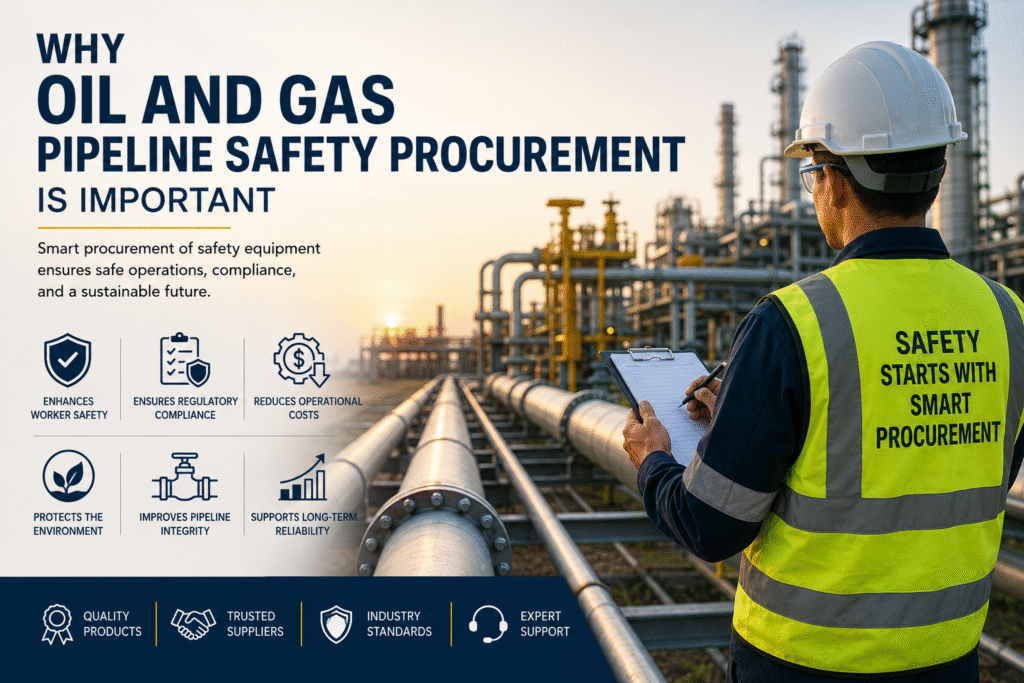
The oil and gas industry is one of the most demanding sectors in the world, where safety, reliability, and operational efficiency are non-negotiable. Pipelines transport millions of barrels of oil and vast quantities of natural gas every day, making them critical assets that require continuous monitoring and protection. This is where oil and gas pipeline safety procurement becomes an essential part of every successful energy project.
Procurement is more than simply purchasing equipment. It involves selecting certified products, trusted suppliers, and advanced safety technologies that help maintain pipeline integrity while reducing operational risks. A well-planned procurement strategy ensures that every component meets industry standards and performs reliably under challenging conditions.
Understanding Oil and Gas Pipeline Safety Procurement
Oil and gas pipeline safety procurement refers to the process of sourcing, evaluating, and purchasing safety-related equipment, materials, and services required to protect pipeline infrastructure. These may include:
- Leak detection systems
- Emergency shutdown valves
- Pressure monitoring equipment
- Corrosion protection systems
- Pipeline inspection tools
- Fire and gas detection systems
- Personal protective equipment (PPE)
- Pipeline monitoring software
- Safety signage and emergency response equipment
Selecting the right products from reliable suppliers helps companies minimize risks while ensuring uninterrupted operations.
Why Oil and Gas Pipeline Safety Procurement Is Important
1. Prevents Pipeline Failures
Pipelines operate under high pressure and often in harsh environmental conditions. Poor-quality components can lead to leaks, ruptures, and costly accidents. Investing in certified safety equipment significantly reduces the risk of mechanical failure.
2. Protects Human Lives
Safety should always be the highest priority in oil and gas operations. Proper procurement ensures that workers have access to reliable protective equipment and emergency safety systems, reducing workplace injuries and improving overall operational safety.
3. Ensures Regulatory Compliance
Government agencies and international organizations have strict safety standards for pipeline operations. Procuring approved and certified equipment helps companies comply with these regulations while avoiding legal penalties and project delays.
4. Reduces Environmental Risks
Pipeline leaks can cause severe environmental damage, affecting ecosystems, water sources, and nearby communities. Modern leak detection systems and corrosion-resistant materials help identify potential problems before they become environmental disasters.
5. Improves Operational Efficiency
Reliable safety equipment minimizes unexpected downtime and maintenance costs. When pipelines operate efficiently, companies can maintain consistent production and improve overall business performance.
6. Extends Pipeline Life
High-quality materials and protective systems increase the lifespan of pipeline infrastructure by reducing corrosion, wear, and mechanical damage. This lowers long-term replacement costs and improves return on investment.
7. Supports Risk Management
Every oil and gas operation involves potential risks. Effective procurement strategies help companies identify suitable safety solutions that reduce operational hazards and improve emergency preparedness.
Essential Components of Pipeline Safety Procurement
An effective procurement strategy should include:
- Pipeline leak detection systems
- Pressure relief valves
- Corrosion monitoring equipment
- Cathodic protection systems
- Emergency shutdown systems
- Fire suppression equipment
- Gas detection systems
- Smart pipeline monitoring technologies
- Industrial safety PPE
- Pipeline inspection devices
Benefits of Choosing Reliable Procurement Partners
Working with experienced procurement suppliers offers several advantages:
- Access to certified safety products
- Better product quality
- Competitive pricing
- Faster delivery
- Technical support
- Compliance with international standards
- Long-term equipment reliability
- Reduced maintenance costs
Best Practices for Oil and Gas Pipeline Safety Procurement
To maximize safety and operational performance, companies should:
- Purchase only certified products.
- Verify supplier credentials and experience.
- Conduct regular equipment inspections.
- Invest in predictive monitoring technologies.
- Follow international safety standards.
- Maintain accurate procurement records.
- Train employees on equipment usage.
- Perform periodic risk assessments.
Future Trends in Pipeline Safety Procurement
Technology continues to transform the oil and gas industry. Some emerging trends include:
- AI-powered pipeline monitoring
- IoT-based leak detection
- Drone pipeline inspections
- Predictive maintenance systems
- Digital procurement platforms
- Smart corrosion monitoring
- Remote asset management
- Sustainable procurement practices
These innovations improve safety while reducing operational costs and enhancing overall efficiency.
Conclusion
Oil and gas pipeline safety procurement is a critical investment that directly impacts operational safety, regulatory compliance, environmental protection, and business profitability. By sourcing high-quality safety equipment from trusted suppliers, organizations can reduce risks, improve efficiency, and extend the lifespan of valuable pipeline infrastructure.
As the energy industry continues to evolve, adopting a strategic procurement approach will remain essential for maintaining safe, reliable, and sustainable pipeline operations.
Frequently Asked Questions (FAQs)
1. What is oil and gas pipeline safety procurement?
Oil and gas pipeline safety procurement is the process of sourcing and purchasing certified safety equipment, monitoring systems, and protective technologies used to ensure safe pipeline operations.
2. Why is pipeline safety procurement important?
It helps prevent accidents, protects employees, ensures regulatory compliance, reduces environmental risks, and improves the reliability of pipeline infrastructure.
3. What equipment is included in pipeline safety procurement?
Common equipment includes leak detection systems, pressure monitoring devices, emergency shutdown valves, corrosion protection systems, fire detection systems, gas detectors, PPE, and inspection tools.
4. How does proper procurement reduce operational costs?
High-quality safety equipment requires less maintenance, minimizes downtime, prevents costly failures, and extends the service life of pipeline assets.
5. What should companies consider when selecting safety equipment suppliers?
Companies should evaluate supplier certifications, product quality, industry experience, delivery capabilities, technical support, compliance with international standards, and after-sales service.
6. How often should pipeline safety equipment be inspected?
Inspection schedules depend on regulations and operational conditions, but routine inspections and preventive maintenance are recommended to ensure reliable performance.
7. How does technology improve oil and gas pipeline safety procurement?
Modern technologies such as IoT sensors, AI-based monitoring, predictive analytics, drones, and digital procurement platforms enable faster detection of potential issues, improve decision-making, and enhance