
Why Oil and Gas Pipeline Safety Procurement Is Important
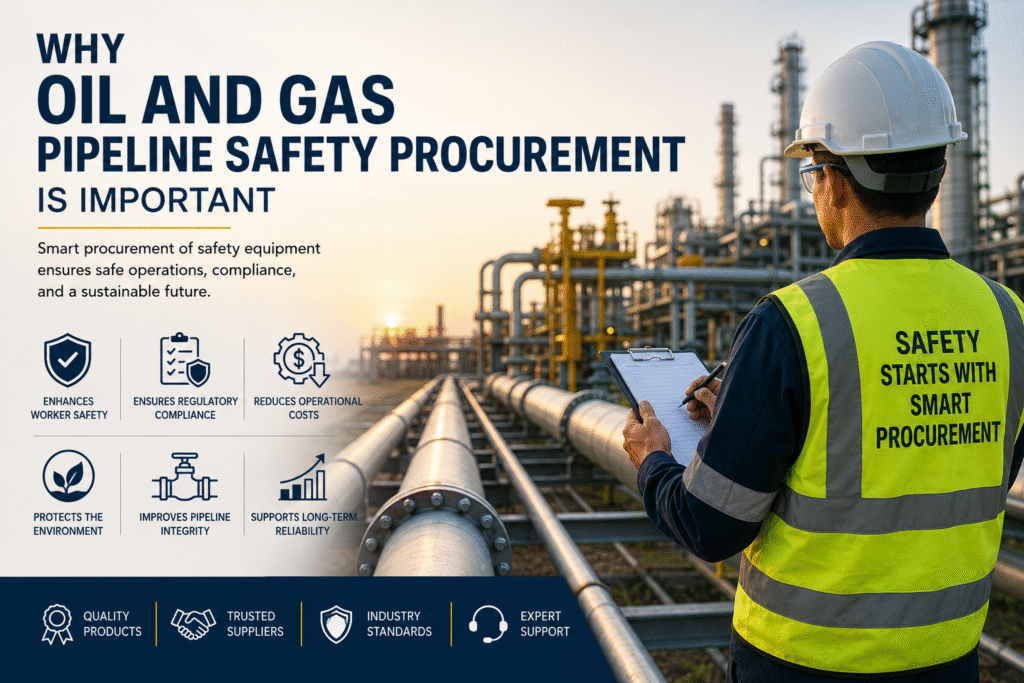
The oil and gas industry is one of the most demanding sectors in the world, where safety, reliability, and operational efficiency are non-negotiable. Pipelines transport millions of barrels of oil and vast quantities of natural gas every day, making them critical assets that require continuous monitoring and protection. This is where oil and gas pipeline safety procurement becomes an essential part of every successful energy project. Procurement is more than simply purchasing equipment. It involves selecting certified products, trusted suppliers, and advanced safety technologies that help maintain pipeline integrity while reducing operational risks. A well-planned procurement strategy ensures that every component meets industry standards and performs reliably under challenging conditions. Understanding Oil and Gas Pipeline Safety Procurement Oil and gas pipeline safety procurement refers to the process of sourcing, evaluating, and purchasing safety-related equipment, materials, and services required to protect pipeline infrastructure. These may include: Selecting the right products from reliable suppliers helps companies minimize risks while ensuring uninterrupted operations. Why Oil and Gas Pipeline Safety Procurement Is Important 1. Prevents Pipeline Failures Pipelines operate under high pressure and often in harsh environmental conditions. Poor-quality components can lead to leaks, ruptures, and costly accidents. Investing in certified safety equipment significantly reduces the risk of mechanical failure. 2. Protects Human Lives Safety should always be the highest priority in oil and gas operations. Proper procurement ensures that workers have access to reliable protective equipment and emergency safety systems, reducing workplace injuries and improving overall operational safety. 3. Ensures Regulatory Compliance Government agencies and international organizations have strict safety standards for pipeline operations. Procuring approved and certified equipment helps companies comply with these regulations while avoiding legal penalties and project delays. 4. Reduces Environmental Risks Pipeline leaks can cause severe environmental damage, affecting ecosystems, water sources, and nearby communities. Modern leak detection systems and corrosion-resistant materials help identify potential problems before they become environmental disasters. 5. Improves Operational Efficiency Reliable safety equipment minimizes unexpected downtime and maintenance costs. When pipelines operate efficiently, companies can maintain consistent production and improve overall business performance. 6. Extends Pipeline Life High-quality materials and protective systems increase the lifespan of pipeline infrastructure by reducing corrosion, wear, and mechanical damage. This lowers long-term replacement costs and improves return on investment. 7. Supports Risk Management Every oil and gas operation involves potential risks. Effective procurement strategies help companies identify suitable safety solutions that reduce operational hazards and improve emergency preparedness. Essential Components of Pipeline Safety Procurement An effective procurement strategy should include: Benefits of Choosing Reliable Procurement Partners Working with experienced procurement suppliers offers several advantages: Best Practices for Oil and Gas Pipeline Safety Procurement To maximize safety and operational performance, companies should: Future Trends in Pipeline Safety Procurement Technology continues to transform the oil and gas industry. Some emerging trends include: These innovations improve safety while reducing operational costs and enhancing overall efficiency. Conclusion Oil and gas pipeline safety procurement is a critical investment that directly impacts operational safety, regulatory compliance, environmental protection, and business profitability. By sourcing high-quality safety equipment from trusted suppliers, organizations can reduce risks, improve efficiency, and extend the lifespan of valuable pipeline infrastructure. As the energy industry continues to evolve, adopting a strategic procurement approach will remain essential for maintaining safe, reliable, and sustainable pipeline operations. Frequently Asked Questions (FAQs) 1. What is oil and gas pipeline safety procurement? Oil and gas pipeline safety procurement is the process of sourcing and purchasing certified safety equipment, monitoring systems, and protective technologies used to ensure safe pipeline operations. 2. Why is pipeline safety procurement important? It helps prevent accidents, protects employees, ensures regulatory compliance, reduces environmental risks, and improves the reliability of pipeline infrastructure. 3. What equipment is included in pipeline safety procurement? Common equipment includes leak detection systems, pressure monitoring devices, emergency shutdown valves, corrosion protection systems, fire detection systems, gas detectors, PPE, and inspection tools. 4. How does proper procurement reduce operational costs? High-quality safety equipment requires less maintenance, minimizes downtime, prevents costly failures, and extends the service life of pipeline assets. 5. What should companies consider when selecting safety equipment suppliers? Companies should evaluate supplier certifications, product quality, industry experience, delivery capabilities, technical support, compliance with international standards, and after-sales service. 6. How often should pipeline safety equipment be inspected? Inspection schedules depend on regulations and operational conditions, but routine inspections and preventive maintenance are recommended to ensure reliable performance. 7. How does technology improve oil and gas pipeline safety procurement? Modern technologies such as IoT sensors, AI-based monitoring, predictive analytics, drones, and digital procurement platforms enable faster detection of potential issues, improve decision-making, and enhance
The Impact of Infrastructure Expansion on Core Contracting Services in Saudi Arabia
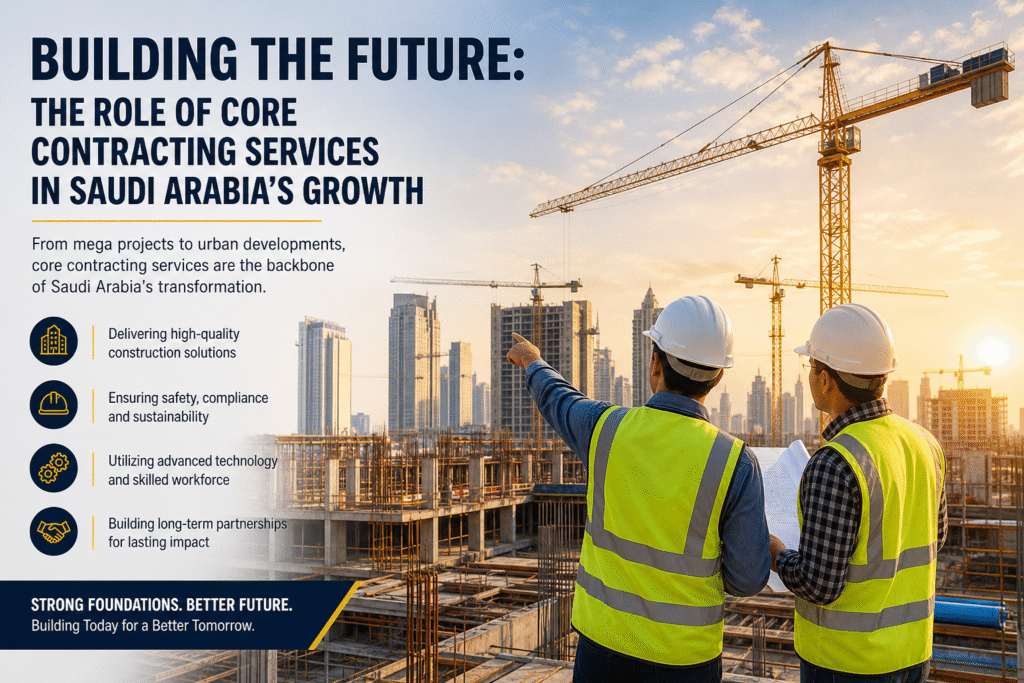
Saudi Arabia is rapidly expanding its infrastructure network, including highways, airports, railways, and urban utilities. This surge in development is significantly boosting the demand for core contracting services, making them a backbone of national progress. Infrastructure Growth Driving Construction Demand The Kingdom’s focus on connectivity and logistics has led to large-scale infrastructure investments. These projects require expert contractors for planning, execution, and long-term maintenance. From road networks to metro systems, contracting companies are playing a critical role in delivering high-quality infrastructure. Demand for End-to-End Contracting Solutions Modern infrastructure projects require more than just construction. Clients now expect: This shift is increasing the demand for full-service contracting firms. Emphasis on Quality and Compliance Saudi Arabia has introduced strict quality standards and regulations for construction projects. Contractors must now focus on: Companies that maintain high-quality benchmarks are gaining trust and long-term contracts. Conclusion The expansion of infrastructure is directly driving growth in the contracting sector. Companies that offer reliable, scalable, and compliant services are set to dominate the Saudi construction market. Why Core Contracting Companies Are Essential for Saudi Arabia’s Urban Development Urban development in Saudi Arabia is accelerating at an unprecedented pace. With the rise of smart cities and modern residential hubs, core contracting companies are becoming essential contributors to this transformation. Urbanization Trends in Saudi Arabia The country is witnessing rapid population growth and urban migration. To accommodate this shift, new cities, housing projects, and commercial spaces are being developed. This urban expansion is creating continuous demand for contracting services. Role of Contractors in Smart City Development Smart cities require advanced construction techniques and integrated systems. Contractors are responsible for: Their expertise ensures that projects meet global standards. Sustainable Construction Practices Sustainability is becoming a major focus in Saudi Arabia. Contractors are adopting: This not only reduces environmental impact but also enhances long-term value. Conclusion Core contracting companies are playing a key role in shaping modern urban landscapes. Their contribution is vital to building sustainable and future-ready cities in Saudi Arabia. How Government Investments Are Boosting Core Contracting Opportunities Government spending is one of the biggest drivers of construction growth in Saudi Arabia. Increased investments in public infrastructure and development projects are creating massive opportunities for core contracting services. Public Sector Projects on the Rise The Saudi government is actively investing in sectors like: Each of these sectors requires reliable contracting partners for execution. Rise of Public-Private Partnerships (PPP) Public-private partnerships are becoming increasingly popular. These collaborations allow private contractors to participate in government projects, opening new revenue streams. Long-Term Project Pipelines Unlike short-term developments, many Saudi projects are planned for the long term. This ensures: Conclusion Government investments are creating a strong foundation for the contracting industry. Companies that align with national goals and deliver quality services can achieve sustained growth. The Growing Importance of MEP Contracting in Saudi Arabia’s Construction Sector Mechanical, Electrical, and Plumbing (MEP) services are becoming a critical part of modern construction projects in Saudi Arabia. What is MEP Contracting? MEP contracting involves the installation and maintenance of essential building systems such as: These systems are vital for the functionality of any building. Increasing Demand in Complex Projects Large-scale developments like malls, hospitals, and smart buildings require advanced MEP solutions. This has led to increased demand for specialized contractors. Integration with Smart Technologies Modern MEP systems are integrated with smart technologies for better efficiency and control. Contractors must now be skilled in: Conclusion MEP contracting is no longer optional—it is a core component of construction. As projects become more complex, the demand for skilled MEP contractors will continue to grow.
How Vision 2030 Is Driving Demand for Core Contracting Services in Saudi Arabia
How Vision 2030 Is Driving Demand for Core Contracting Services in Saudi Arabia Saudi Arabia is undergoing one of the most ambitious transformation programs in the world. Launched by the government under, Saudi Vision 2030 aims to diversify the Kingdom’s economy, reduce its dependence on oil, and build a vibrant, sustainable future. At the heart of this transformation lies a massive wave of infrastructure, industrial, and energy projects. From mega cities and industrial zones to oil & gas expansions and renewable energy plants, the demand for reliable Core Contracting Services in Saudi Arabia has grown significantly. Today, every leading Contracting Company in Saudi Arabia plays a vital role in turning Vision 2030 goals into reality. In this blog, we explore how Vision 2030 is directly driving demand for Core Contracting Services Dammam Kingdom and across the country. Understanding Vision 2030 and Infrastructure Growth Vision 2030 focuses on three main pillars: To achieve these objectives, the Kingdom has invested billions of dollars into: Such large-scale developments require specialized mechanical, piping, structural, and industrial solutions—this is where Core Contracting Services in Saudi Arabia become essential. What Are Core Contracting Services? Core contracting services typically include: These services are critical to ensuring that industrial and infrastructure projects are completed safely, efficiently, and according to international standards. A professional Contracting Company in Saudi Arabia must deliver precision, compliance, skilled manpower, and modern engineering solutions to meet the Kingdom’s growing expectations. Why Vision 2030 Is Increasing Demand for Core Contracting Services 1. Expansion of Oil & Gas Infrastructure Although Vision 2030 focuses on economic diversification, oil and gas remain key pillars of the Saudi economy. The modernization and expansion of facilities operated by organizations like Saudi Aramco continue to drive demand for highly specialized contracting services. Upgrades, maintenance, and expansion projects require: This creates ongoing opportunities for reliable Core Contracting Services Dammam Kingdom, especially in the Eastern Province. 2. Growth of Industrial Cities and Economic Zones Vision 2030 has accelerated the development of industrial hubs across the Kingdom. Areas like Dammam and Jubail are expanding rapidly, requiring expert contractors for: A trusted Contracting Company in Saudi Arabia becomes a key partner in supporting factories, refineries, petrochemical plants, and manufacturing units. 3. Renewable Energy and Sustainability Projects Saudi Arabia is investing heavily in renewable energy, including solar and wind power plants. These projects require mechanical and structural expertise for: As sustainability becomes a national priority, the role of Core Contracting Services in Saudi Arabia continues to expand beyond traditional oil & gas sectors. 4. Mega Projects and Smart Cities Mega developments under Vision 2030 are complex and require multidisciplinary contracting support. Smart city infrastructure demands: Companies providing Core Contracting Services Dammam Kingdom are positioned strategically to serve these large-scale developments due to their proximity to major industrial zones. 5. Localization and Saudization Initiatives Vision 2030 also emphasizes increasing local content and developing Saudi talent. This means contracting companies must: A forward-thinking Contracting Company in Saudi Arabia aligns with these goals by delivering quality work while contributing to national workforce development. Why Dammam Is a Strategic Hub for Core Contracting Services Dammam, located in the Eastern Province, is a major industrial center. Its proximity to oil fields, refineries, and petrochemical complexes makes it a critical region for contracting operations. The demand for Core Contracting Services Dammam Kingdom is particularly strong due to: Contracting firms operating in Dammam are uniquely positioned to support both local and national projects under Vision 2030. Key Qualities of a Leading Contracting Company in Saudi Arabia With rising competition and higher standards, businesses and project owners look for companies that offer: 1. Technical Expertise Experienced engineers and certified technicians. 2. Safety Compliance Strict adherence to Saudi and international safety standards. 3. Modern Equipment Use of advanced tools and technology for precision work. 4. Timely Project Delivery Meeting deadlines without compromising quality. 5. Cost Efficiency Providing value-driven solutions while maintaining high standards. A reliable provider of Core Contracting Services in Saudi Arabia ensures seamless project execution from planning to completion. Economic Impact of Growing Contracting Demand The surge in infrastructure and industrial development has created: The contracting sector plays a direct role in strengthening Saudi Arabia’s GDP growth and economic diversification goals. The Future of Core Contracting Services in Saudi Arabia As Vision 2030 milestones approach, demand for high-quality contracting services will continue to grow. The next decade is expected to bring: Companies that invest in innovation, workforce development, and operational excellence will lead the market. For businesses seeking dependable industrial solutions, partnering with a trusted provider of Core Contracting Services in Saudi Arabia ensures project success, regulatory compliance, and long-term operational reliability. Conclusion Vision 2030 is not just a policy framework—it is a national transformation strategy that is reshaping the economic and industrial landscape of Saudi Arabia. From oil & gas modernization to renewable energy and mega infrastructure projects, the demand for expert Core Contracting Services Dammam Kingdom continues to rise. A professional Contracting Company in Saudi Arabia plays a vital role in delivering the engineering precision, manpower expertise, and operational excellence required to achieve these ambitious goals. As Saudi Arabia moves confidently toward a diversified and sustainable future, core contracting services will remain a backbone of development—driving progress, creating opportunities, and building the infrastructure of tomorrow.
Future of Core Contracting in Saudi Arabia Construction

Future of Core Contracting in Saudi Arabia Construction The construction landscape in the Kingdom of Saudi Arabia (KSA) is undergoing a remarkable transformation. With Vision 2030 driving economic diversification, the future of core contracting in Saudi Arabia construction has become an essential topic for industry leaders, policymakers, and investors alike. This evolution is fuelled by vast infrastructure projects, technological innovations, and a renewed national focus on sustainability and local capacity building. Booming Construction Sector: A Catalyst for Growth Saudi Arabia’s construction sector is among the fastest-growing globally, with projects spanning smart cities, transportation networks, commercial hubs, and tourism complexes. Mega initiatives like NEOM, the Red Sea Project, and Qiddiya are redefining the region’s development priorities. These large-scale ventures require advanced contracting expertise and have put Contracting Company in Saudi Arabia at the forefront of economic expansion. Core contracting firms are increasingly responsible for complex tasks beyond traditional build-and-assemble roles. These include project planning, risk management, cost optimization, and on-site supervision. As a result, the demand for integrated contracting solutions has never been higher, establishing firms that offer Core Contracting Services in Saudi Arabia as key players in the national construction ecosystem. The Role of Core Contracting Services in Transformational Projects Core contracting companies are no longer seen as just subcontractors—they are now strategic partners in shaping Saudi Arabia’s infrastructure future. With significant government investment, these firms are essential to delivering quality, timing, and cost-efficient outcomes for ambitious construction agendas. In Dammam and across the Eastern Province, Core Contracting Services Dammam Kingdom are particularly vital. As this region evolves into an industrial and logistics hub, demand for high-quality contracting services continues to surge. Contractors here are expected to handle multidisciplinary challenges, from civil and structural works to electromechanical and infrastructure projects. Their ability to deliver turnkey solutions strengthens national development and attracts foreign investment. Technology Adoption: Shaping the Future of Contracting A defining trend in the future of core contracting in Saudi Arabia construction is the rapid adoption of technology. Digital tools such as Building Information Modeling (BIM), artificial intelligence (AI), and project management software are enhancing productivity and reducing waste. BIM enables contract teams to visualize complex projects and simulate construction sequences, which minimizes errors and optimizes resources. Meanwhile, AI-powered analytics help in forecasting delays and improving supply chain planning. A Contracting Company in Saudi Arabia that leverages these technologies gains a competitive edge by improving transparency and accelerating project delivery. Drone technology and automated equipment are also making headway, boosting safety and operational efficiency on construction sites. As contractors embrace these innovations, they are better equipped to meet the evolving demands of large-scale developments in urban and industrial zones alike. Sustainability and Green Building Practices Sustainability is a core tenet of Vision 2030, and core contracting services are pivotal in implementing eco-friendly construction practices. Green building certifications like LEED and ESTIDAMA are increasingly prioritized, forcing contractors to integrate sustainable materials, energy-efficient systems, and waste-management solutions. Contractors offering Core Contracting Services in Saudi Arabia are investing in training and certifications to ensure compliance with international sustainability standards. This shift is reshaping procurement strategies, contractual expectations, and long-term operating costs. Forward-thinking companies that emphasize sustainability not only comply with government regulations but also strengthen their market reputation. Local Workforce Development and Nationalization One of the most significant trends shaping the future of core contracting is the emphasis on local talent development. Saudi Arabia’s Saudization policies aim to increase national employment across all sectors, including construction. Core contracting firms are investing in workforce training programs to upskill the local labor force, creating opportunities for engineers, project managers, technicians, and skilled laborers. Core Contracting Services Dammam Kingdom and other regional firms are collaborating with vocational institutes and universities to foster a pipeline of skilled Saudi professionals. These partnerships enhance knowledge transfer and build a resilient, locally supported construction workforce—an essential component for sustaining economic growth. Challenges and Opportunities Ahead Despite the enormous potential, the future of core contracting in Saudi Arabia construction is not without challenges. Market competition is intensifying as global players enter the region. Meanwhile, fluctuating material costs and supply chain disruptions demand agility and robust risk management. However, these challenges create new opportunities for innovation and strategic collaboration. Contractors that adopt digital tools, focus on sustainability, and build strong local partnerships are best positioned to thrive in this dynamic environment. Conclusion The future of core contracting in Saudi Arabia construction is bright and transformative. With ongoing support from government initiatives like Vision 2030, and the rapid modernization of infrastructure projects across the Kingdom, companies providing Core Contracting Services in Saudi Arabia will remain at the heart of this evolution. From expanding opportunities for Contracting Company in Saudi Arabia to technological advancements and workforce development, the path ahead promises growth, innovation, and a significant shift toward a more sustainable, efficient, and skilled construction industry.
Pipeline Construction Projects in Saudi Arabia: Opportunities for EPC Contractors
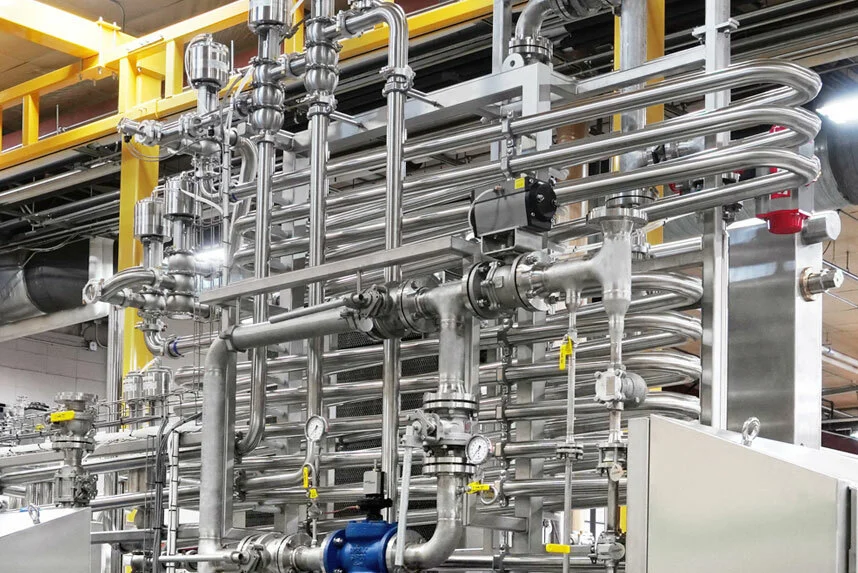
Pipeline Construction Projects in Saudi Arabia: Opportunities for EPC Contractors Saudi Arabia continues to invest heavily in energy infrastructure as part of Vision 2030, creating significant demand for large-scale pipeline construction projects. With the expansion of oil, gas, water, and industrial sectors, EPC contractors are presented with long-term opportunities across the design, construction, maintenance, and rehabilitation of pipeline networks. These projects are critical to supporting upstream, midstream, and downstream operations while ensuring safe and efficient energy transportation across the Kingdom. Growing Demand for Pipeline Infrastructure Saudi Arabia operates one of the world’s largest pipeline networks, transporting crude oil, refined products, gas, and industrial fluids across vast distances. The increasing need for energy diversification, refinery upgrades, petrochemical expansion, and desalination plants is driving new pipeline construction and modernization initiatives. As a result, Industrial Pipeline Services in Saudi Arabia are experiencing strong growth, particularly for high-pressure, corrosion-resistant, and technologically advanced pipeline systems. EPC contractors with experience in large-scale infrastructure are well-positioned to support national oil companies, private industrial operators, and government-backed mega projects. From cross-country pipelines to complex plant piping systems, demand remains consistent and resilient. Role of EPC Contractors in Pipeline Projects EPC contractors play a crucial role in delivering pipeline projects from concept to commissioning. Their scope typically includes engineering design, material procurement, construction, testing, and handover. A reliable Pipeline Contractor in Saudi Arabia must comply with strict safety standards, environmental regulations, and international engineering codes while managing projects efficiently in challenging terrains and climatic conditions. Additionally, contractors are expected to provide value-added services such as route surveys, trenching, welding, coating, hydrotesting, and cathodic protection systems. This integrated approach ensures long-term pipeline integrity and operational reliability. Importance of Maintenance and Rehabilitation Beyond new installations, Oil Pipeline Maintenance in Saudi Arabia is a major segment offering sustained opportunities for EPC and service contractors. Aging pipeline infrastructure requires regular inspection, corrosion control, leak detection, and repair to meet safety and environmental standards. Maintenance contracts are often long-term and performance-based, making them attractive for experienced contractors. Advanced technologies such as intelligent pigging, real-time monitoring, and non-destructive testing are increasingly being adopted. Companies that combine construction expertise with maintenance capabilities can gain a competitive edge in the Saudi market. Industrial and Plant Piping Opportunities In addition to cross-country pipelines, industrial plants such as refineries, petrochemical complexes, power stations, and desalination facilities require extensive internal piping systems. Acting as a Piping Contractor in Saudi Arabia, EPC firms are responsible for fabricating and installing complex piping networks that handle high temperatures, pressures, and corrosive media. These projects demand precision engineering, skilled manpower, and strict quality control. Contractors offering fabrication yards, modular construction, and fast-track execution are particularly valued in time-sensitive industrial developments. Selecting the Right Pipeline Services Partner Clients increasingly seek a reliable Pipeline Services Company in Saudi Arabia that can offer end-to-end solutions, including engineering support, construction, inspection, and maintenance. Strong local presence, compliance with Saudi Aramco and SABIC standards, and a proven safety record are key factors in contractor selection. Companies providing Core Contracting Services in Saudi Arabia—such as civil works, structural fabrication, mechanical installation, and pipeline construction—are especially attractive as they reduce coordination risks and improve project efficiency. Future Outlook for EPC Contractors The outlook for pipeline construction in Saudi Arabia remains highly positive. Ongoing investments in oil and gas, hydrogen, carbon capture, and water infrastructure will continue to generate demand for qualified EPC contractors. Sustainability and digital transformation are also shaping project requirements, encouraging contractors to adopt innovative materials, smart monitoring systems, and environmentally responsible construction methods. For EPC firms aiming to expand or strengthen their presence in the Kingdom, aligning with national development goals, investing in skilled workforce development, and delivering high-quality pipeline solutions will be essential for long-term success.
Saudi Arabia Oil Pipeline & Gas Equipment: Procurement Best Practices
Saudi Arabia Oil Pipeline & Gas Equipment: Procurement Best Practices Saudi Arabia remains a global leader in oil and gas production, supported by one of the world’s most extensive pipeline networks. From upstream extraction to downstream distribution, oil pipelines and gas equipment play a critical role in maintaining uninterrupted energy flow. As infrastructure expands under Vision 2030, effective procurement strategies have become essential for ensuring safety, efficiency, and long-term asset performance. This article explores best practices in procuring oil pipeline systems and gas equipment, with a focus on Oil Pipeline Maintenance in Saudi Arabia and Pipeline Construction Projects Saudi Arabia. Understanding the Saudi Oil & Gas Procurement Landscape Procurement in Saudi Arabia’s oil and gas sector operates under strict regulatory, technical, and safety standards. National and international codes such as API, ASME, ASTM, and ISO guide material selection, fabrication, testing, and installation. Buyers must ensure that all pipeline materials and gas equipment comply with Saudi Aramco standards and local authority requirements. Given harsh desert climates, high temperatures, and corrosive environments, procurement decisions must prioritize durability, corrosion resistance, and lifecycle performance rather than upfront cost alone. Best Practices for Pipeline Material Procurement One of the most critical aspects of procurement is selecting the right pipeline materials. Carbon steel, stainless steel, and alloy steel pipes are commonly used, depending on pressure, temperature, and transported media. For Pipeline Construction Projects Saudi Arabia, procurement teams should: Early supplier involvement helps reduce delays and ensures materials are available when construction schedules demand. Procurement for Oil Pipeline Maintenance Oil Pipeline Maintenance in Saudi Arabia requires a different procurement approach compared to new construction. Maintenance procurement focuses on spare parts, replacement pipes, valves, gaskets, pigging systems, and repair materials. Best practices include: Predictive maintenance programs also rely on advanced inspection tools such as smart pigs, sensors, and monitoring systems, which must be sourced from reliable and certified manufacturers. Gas Equipment Procurement Considerations Gas processing and transmission systems require specialized equipment, including compressors, pressure regulators, control valves, meters, and safety devices. Procurement teams should focus on: Localizing procurement by working with Saudi-based suppliers can significantly reduce lead times and support national industrial growth objectives. Supplier Qualification and Risk Management Supplier qualification is a key best practice in Saudi Arabia’s oil and gas procurement. Companies must evaluate suppliers based on: For large-scale Pipeline Construction Projects Saudi Arabia, risk mitigation strategies such as multiple sourcing, contract performance guarantees, and clear delivery milestones are essential. Digitalization and Smart Procurement Modern procurement is increasingly driven by digital tools. E-procurement platforms, data analytics, and integrated supply chain management systems enhance transparency and efficiency. These tools allow real-time tracking of orders, better cost control, and improved supplier collaboration. Digital procurement also supports maintenance planning by aligning procurement schedules with inspection data and asset management systems. Sustainability and Local Content Requirements Saudi Arabia emphasizes sustainability and In-Kingdom Total Value Add (IKTVA). Procurement strategies should align with environmental standards and local content policies by: This approach not only ensures regulatory compliance but also strengthens long-term partnerships within the Kingdom. Conclusion Effective procurement is the backbone of successful oil and gas infrastructure development. By following best practices in material selection, supplier qualification, maintenance planning, and digital integration, companies can enhance reliability and safety across pipeline networks. As demand grows for Oil Pipeline Maintenance in Saudi Arabia and large-scale Pipeline Construction Projects Saudi Arabia, strategic procurement will remain a decisive factor in achieving operational excellence, cost efficiency, and long-term sustainability in the Kingdom’s energy sector.
How Pipeline Construction Projects Support Saudi Arabia’s Energy Infrastructure
How Pipeline Construction Projects Support Saudi Arabia’s Energy Infrastructure Saudi Arabia’s energy sector is one of the most advanced and strategically important in the world. As a global leader in oil and gas production, the Kingdom relies heavily on a robust and efficient pipeline network to transport resources safely across vast distances. Pipeline Construction Projects Saudi Arabia play a vital role in strengthening this infrastructure, ensuring uninterrupted energy supply, operational efficiency, and long-term economic growth. The Backbone of Energy Transportation Pipelines are the backbone of Saudi Arabia’s oil and gas transportation system. They connect oil fields, refineries, processing plants, and export terminals, allowing energy resources to move efficiently and securely. Without modern pipeline systems, transporting crude oil and natural gas would be costly, time-consuming, and environmentally risky. Through advanced Pipeline Construction Projects Saudi Arabia, the Kingdom continues to expand and modernize its energy network. These projects support high-capacity transportation, reduce reliance on road and marine transport, and enhance overall supply chain reliability. Supporting Vision 2030 and Energy Expansion Saudi Arabia’s Vision 2030 focuses on economic diversification, industrial development, and infrastructure modernization. Pipeline construction aligns perfectly with these goals by enabling energy expansion, improving export capabilities, and supporting downstream industries such as petrochemicals, power generation, and manufacturing. New pipelines are designed using cutting-edge engineering standards to handle extreme temperatures, high pressures, and challenging terrains. A qualified Piping Contractor in Saudi Arabia ensures that construction meets international safety and quality benchmarks while complying with local regulations and environmental standards. Enhancing Energy Security and Reliability Energy security is a national priority for Saudi Arabia. Pipelines provide a stable and continuous flow of oil and gas, minimizing disruptions caused by weather conditions or logistical challenges. By investing in large-scale Pipeline Construction Projects Saudi Arabia, the country strengthens its ability to meet both domestic and international energy demands. Additionally, well-planned pipeline networks allow for better redundancy and flexibility, enabling rerouting during emergencies or maintenance activities. This reliability is essential for maintaining Saudi Arabia’s position as a trusted global energy supplier. Importance of Oil Pipeline Maintenance While construction is critical, ongoing Oil Pipeline Maintenance in Saudi Arabia is equally important to ensure long-term performance and safety. Regular inspection, corrosion control, leak detection, and rehabilitation help prevent failures and extend pipeline lifespan. Modern maintenance practices use advanced technologies such as smart pigging, remote monitoring systems, and predictive analytics. These methods allow operators to identify potential issues early, reducing downtime and environmental risks. Effective Oil Pipeline Maintenance in Saudi Arabia not only protects valuable assets but also ensures compliance with stringent safety and environmental regulations. Role of a Piping Contractor in Saudi Arabia A professional Piping Contractor in Saudi Arabia plays a central role in both pipeline construction and maintenance. These contractors bring expertise in engineering design, material selection, welding, testing, and commissioning. Their knowledge of local conditions—such as desert environments and coastal regions—ensures durable and efficient pipeline solutions. From large transmission pipelines to complex industrial piping systems, experienced contractors manage every stage of the project lifecycle. They also integrate international best practices with Saudi standards, delivering projects on time and within budget. Environmental and Safety Considerations Pipeline projects in Saudi Arabia are designed with strong environmental and safety frameworks. Modern construction techniques reduce land disturbance, protect sensitive ecosystems, and minimize emissions. Safety measures such as pressure testing, automated shutdown systems, and real-time monitoring enhance operational security. Through responsible construction and proactive Oil Pipeline Maintenance in Saudi Arabia, the industry significantly reduces the risk of leaks or accidents, supporting sustainable energy development. Driving Economic Growth and Employment Pipeline construction projects contribute directly to economic growth by creating jobs, supporting local suppliers, and encouraging knowledge transfer. Skilled labor, engineers, and technicians gain valuable experience working on advanced energy infrastructure solutions. This supports Saudi Arabia’s goal of developing a highly skilled national workforce. Moreover, Pipeline Construction Projects Saudi Arabia attract international investment and strengthen partnerships with global energy companies, further boosting economic resilience. Conclusion Pipeline construction is a cornerstone of Saudi Arabia’s energy infrastructure. Through strategic investments in modern pipeline systems, effective Oil Pipeline Maintenance in Saudi Arabia, and collaboration with a trusted Piping Contractor in Saudi Arabia, the Kingdom ensures reliable energy transportation, enhanced safety, and long-term sustainability. These efforts not only support current energy demands but also position Saudi Arabia for continued leadership in the global energy sector.
Leading Core Contracting Services Shaping the Future of Build in Saudi Arabia
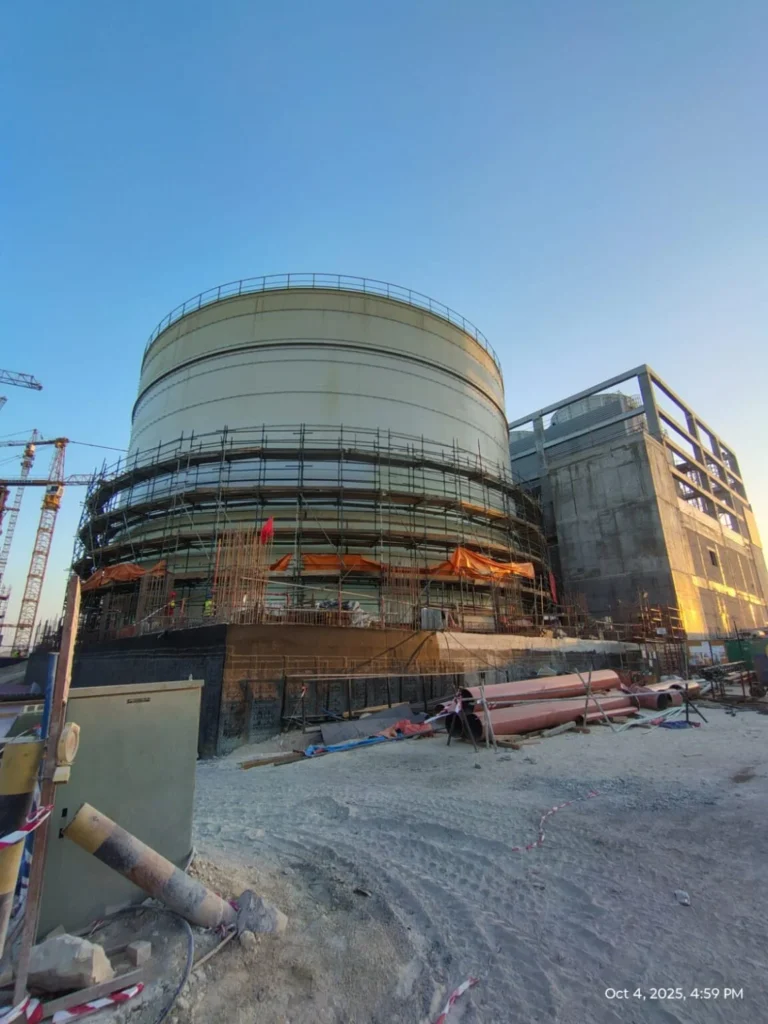
Leading Core Contracting Services Shaping the Future of Build in Saudi Arabia The construction and infrastructure sector in Saudi Arabia is experiencing a massive transformation. From mega-projects like NEOM and The Line to urban development initiatives across Riyadh, Jeddah, and Dammam, the Kingdom is accelerating towards a new era of innovation. At the heart of this growth are core contracting services—the backbone of every successful project. Today, leading contracting companies are not just constructing buildings; they are shaping the future of how Saudi Arabia builds, grows, and advances. The Rise of Modern Contracting Services in the Kingdom As Vision 2030 advances, demand for advanced, reliable, and technology-driven contracting services has skyrocketed. Businesses and developers now look for partners who bring experience, efficiency, and excellence together. This has positioned every Contracting Company in Saudi Arabia as a key player in national development. Contracting firms are no longer limited to traditional construction. They now provide end-to-end solutions, from planning and engineering to project management, safety, and quality control. This integrated approach ensures faster delivery, improved sustainability, and long-lasting results. Core Contracting Services That Drive Future-Ready Projects Whether developing industrial facilities, commercial structures, residential communities, or infrastructure networks, high-quality contracting services determine the success of every build. Companies offering Core Contracting Services in Saudi Arabia are now focusing on several crucial areas: 1. Civil and Structural Construction Experts handle earthworks, foundations, steel structures, concrete works, and building frameworks that meet the highest safety and durability standards. 2. Mechanical, Electrical & Plumbing (MEP) Solutions From HVAC to advanced electrical systems, modern MEP works enhance energy efficiency and ensure long-term performance. 3. Industrial Support & Maintenance Leading contractors support manufacturing plants, oil and gas facilities, and logistics hubs with ongoing maintenance to minimize downtime and improve productivity. 4. Infrastructure Development Roads, drainage systems, pipelines, and utilities form the backbone of urban growth. Skilled contractors ensure these systems are engineered for resilience and future expansion. 5. Project Management & Quality Assurance Using advanced methodologies, contractors ensure every project is delivered on time, within budget, and with uncompromised quality. Why Dammam is Emerging as a Core Contracting Hub The Eastern Province, especially Dammam, has become a powerhouse for industrial and commercial development. With strong access to ports, manufacturing zones, and major companies, demand for Core Contracting Services Dammam Kingdom continues to grow rapidly. Companies in the region offer: This makes Dammam a strategic location for businesses seeking reliable contracting partners for large-scale and specialized projects. Technology: The Future of Contracting in Saudi Arabia Digital tools and innovative solutions are shaping the next generation of contracting. Top contracting companies are now adopting: These advancements not only improve project quality but also reduce costs, environmental impact, and execution time. Final Thoughts As Saudi Arabia continues its journey toward futuristic cities and world-class infrastructure, core contracting services stand as the foundation of national progress. With advanced capabilities, skilled teams, and cutting-edge technologies, every Contracting Company in Saudi Arabia is contributing to building a stronger, more innovative future.