
Saudi Arabia Oil Pipeline & Gas Equipment: Procurement Best Practices
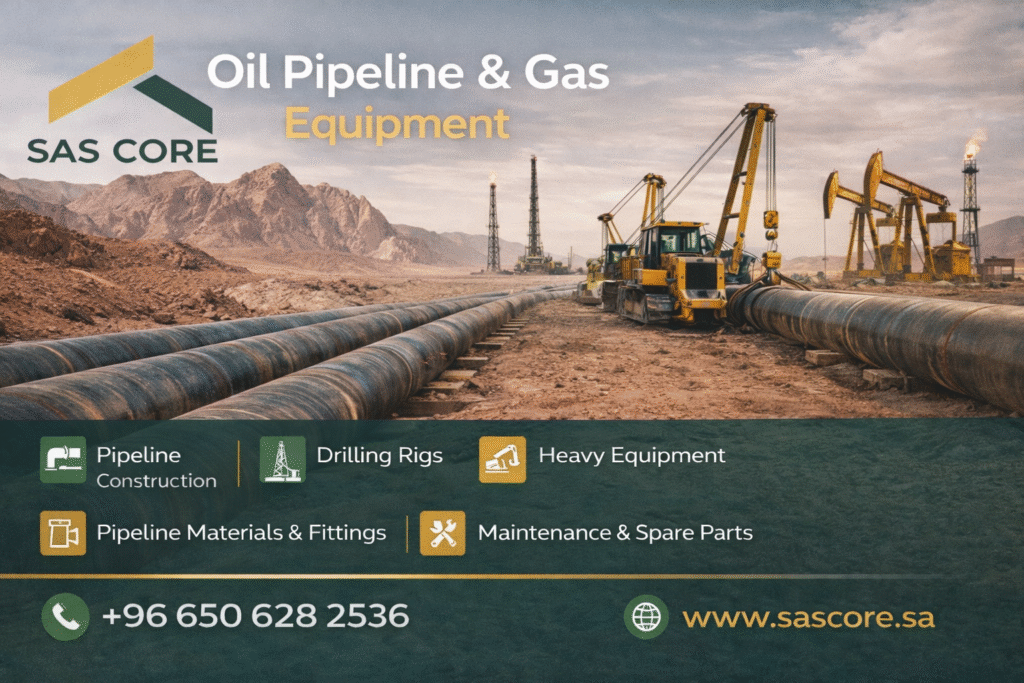
Saudi Arabia Oil Pipeline & Gas Equipment: Procurement Best Practices Saudi Arabia remains a global leader in oil and gas production, supported by one of the world’s most extensive pipeline networks. From upstream extraction to downstream distribution, oil pipelines and gas equipment play a critical role in maintaining uninterrupted energy flow. As infrastructure expands under Vision 2030, effective procurement strategies have become essential for ensuring safety, efficiency, and long-term asset performance. This article explores best practices in procuring oil pipeline systems and gas equipment, with a focus on Oil Pipeline Maintenance in Saudi Arabia and Pipeline Construction Projects Saudi Arabia. Understanding the Saudi Oil & Gas Procurement Landscape Procurement in Saudi Arabia’s oil and gas sector operates under strict regulatory, technical, and safety standards. National and international codes such as API, ASME, ASTM, and ISO guide material selection, fabrication, testing, and installation. Buyers must ensure that all pipeline materials and gas equipment comply with Saudi Aramco standards and local authority requirements. Given harsh desert climates, high temperatures, and corrosive environments, procurement decisions must prioritize durability, corrosion resistance, and lifecycle performance rather than upfront cost alone. Best Practices for Pipeline Material Procurement One of the most critical aspects of procurement is selecting the right pipeline materials. Carbon steel, stainless steel, and alloy steel pipes are commonly used, depending on pressure, temperature, and transported media. For Pipeline Construction Projects Saudi Arabia, procurement teams should: Early supplier involvement helps reduce delays and ensures materials are available when construction schedules demand. Procurement for Oil Pipeline Maintenance Oil Pipeline Maintenance in Saudi Arabia requires a different procurement approach compared to new construction. Maintenance procurement focuses on spare parts, replacement pipes, valves, gaskets, pigging systems, and repair materials. Best practices include: Predictive maintenance programs also rely on advanced inspection tools such as smart pigs, sensors, and monitoring systems, which must be sourced from reliable and certified manufacturers. Gas Equipment Procurement Considerations Gas processing and transmission systems require specialized equipment, including compressors, pressure regulators, control valves, meters, and safety devices. Procurement teams should focus on: Localizing procurement by working with Saudi-based suppliers can significantly reduce lead times and support national industrial growth objectives. Supplier Qualification and Risk Management Supplier qualification is a key best practice in Saudi Arabia’s oil and gas procurement. Companies must evaluate suppliers based on: For large-scale Pipeline Construction Projects Saudi Arabia, risk mitigation strategies such as multiple sourcing, contract performance guarantees, and clear delivery milestones are essential. Digitalization and Smart Procurement Modern procurement is increasingly driven by digital tools. E-procurement platforms, data analytics, and integrated supply chain management systems enhance transparency and efficiency. These tools allow real-time tracking of orders, better cost control, and improved supplier collaboration. Digital procurement also supports maintenance planning by aligning procurement schedules with inspection data and asset management systems. Sustainability and Local Content Requirements Saudi Arabia emphasizes sustainability and In-Kingdom Total Value Add (IKTVA). Procurement strategies should align with environmental standards and local content policies by: This approach not only ensures regulatory compliance but also strengthens long-term partnerships within the Kingdom. Conclusion Effective procurement is the backbone of successful oil and gas infrastructure development. By following best practices in material selection, supplier qualification, maintenance planning, and digital integration, companies can enhance reliability and safety across pipeline networks. As demand grows for Oil Pipeline Maintenance in Saudi Arabia and large-scale Pipeline Construction Projects Saudi Arabia, strategic procurement will remain a decisive factor in achieving operational excellence, cost efficiency, and long-term sustainability in the Kingdom’s energy sector.